Section 02
Hardware Diagnostics
Memory tests, storage self reporting and on board sensors: what each of them can see, what it cannot see, and how far a clean result goes.
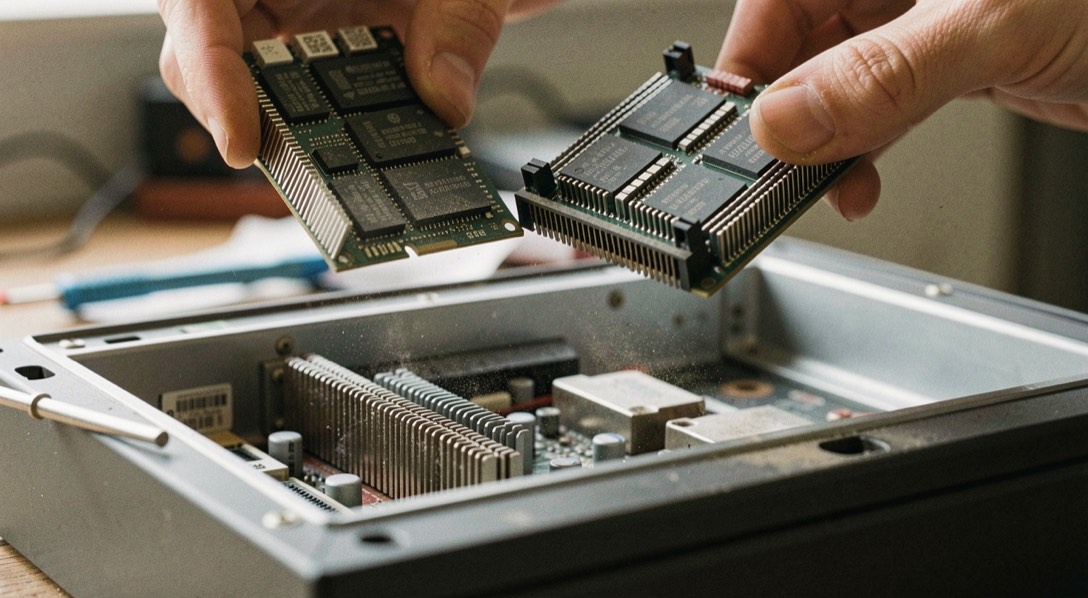
Diagnosis on a personal computer is mostly a matter of asking parts that can talk about themselves to do so, and then knowing how much of what they say to believe. Memory can be walked and checked pattern by pattern. Storage keeps its own counters and will hand them over. Boards and processors carry sensors that report temperature, voltage and fan speed. None of those three is a full picture, and the gaps between them are where most wrong conclusions get made.
Memory testing is the page to read first, because memory is both the most commonly blamed component and the one where a clean result is most often over read. Reading self reported drive attributes deals with storage, where the counters are real but their meaning is vendor dependent in ways the tools rarely say out loud. Temperature and voltage sensors covers the layer everybody watches and few people question.
A clean result is a narrow statement
The single most useful habit in diagnosis is to translate every clean result back into the narrow sentence it actually is. A memory test that completed without an error says that those patterns, on those modules, at that speed, at that temperature, in that slot order, produced no detected error during that run. It does not say the memory is good. Each of those qualifiers is a place where a fault can hide, and each of them is a thing you can change and rerun.
The same translation applies to storage. A drive reporting no reallocated sectors is reporting what its own firmware chose to count, in units its own vendor defined. It is evidence, and it is worth having, and it is not a warranty.
Change one thing at a time
Diagnosis is an experiment, and the discipline of an experiment is that only one variable moves per run. Reseat one module, or drop one clock, or swap one cable, and then rerun the same test for the same duration. Two changes at once produce a result that cannot be attributed, and a machine that becomes stable after four simultaneous changes has taught you nothing you can reuse.
This is also where a bootable toolkit earns its place, because it removes the installed operating system, its drivers and its background work from the list of variables. That argument is made in full in why diagnostics run from a live system, and the subsystem each test touches is laid out in the test matrix.
Where a page stops
These pages describe what a tool reports and how to read it. They do not tell you whether to replace a part, and they do not interpret a specific machine's numbers, because a page cannot see the machine, its history or its room temperature. Anything that turns into a warranty question belongs with the vendor, and anything that turns into a data loss question belongs with a backup before it belongs with a diagnostic.
The other sections of the desk: Stability Testing, Live Systems, Overclocking and The Log. Every one of them comes back to the test matrix.
In this section
5 pages in this section, newest first.
-
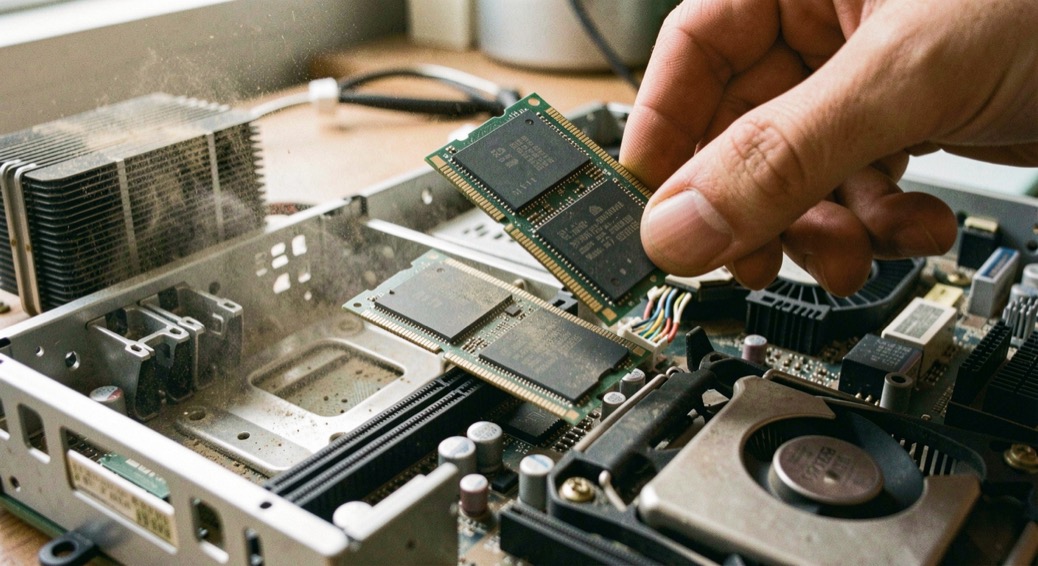
Memory Testing and What a Pass Covers
Memory is the most blamed component and the one whose clean result is most often over read. Both of those have the same cause.
-
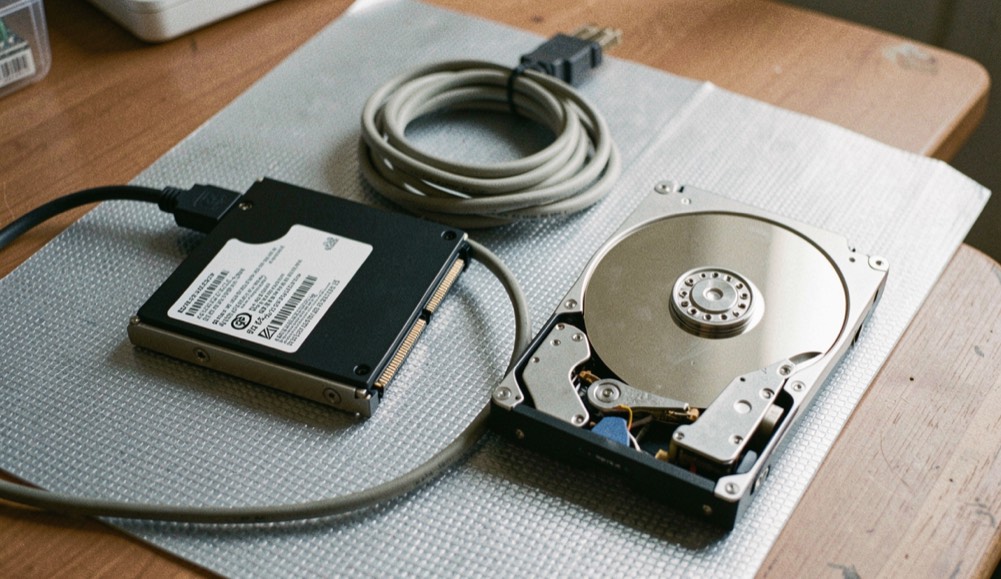
Reading a Drive That Reports on Itself
A drive that reports nothing wrong is reporting what its own firmware chose to count, in units its own vendor defined.
-
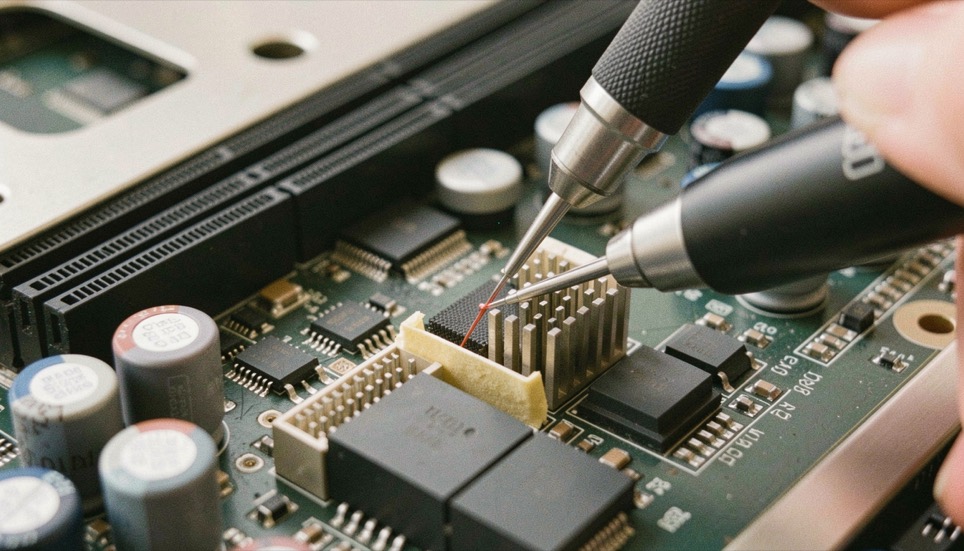
Temperature and Voltage Sensors, Read Properly
Everybody watches these numbers and few people ask where they come from. The answer changes how much weight they can carry.
-
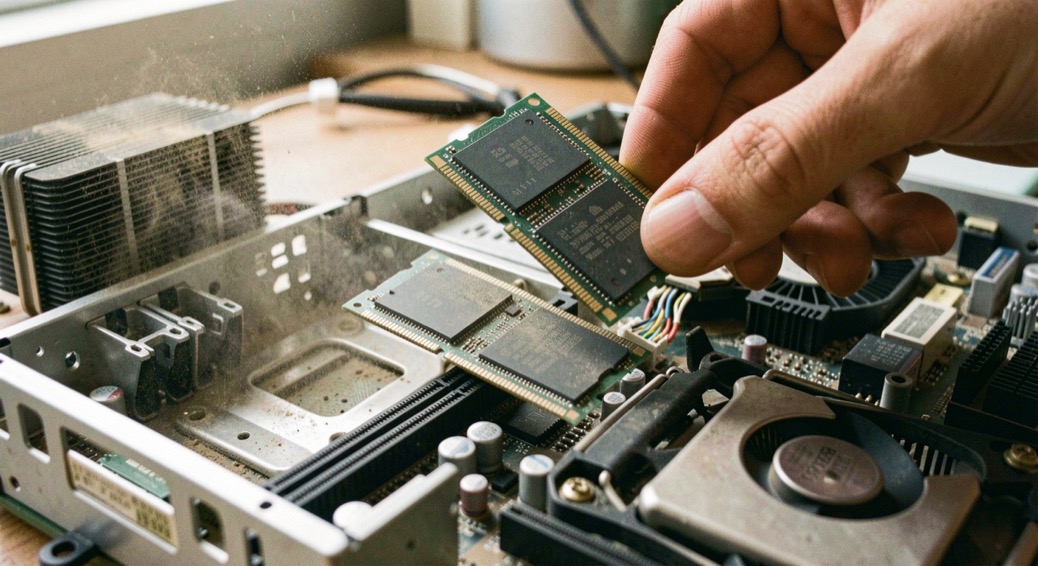
Choosing Satellite Imagery of Asia, and the Machine Behind
Choosing imagery for a project in Asia starts with the question the map has to answer, not with the sensor: pick the spatial resolution, revisit interval, and licence that match the smallest feature you must resolve and how often it changes.
-
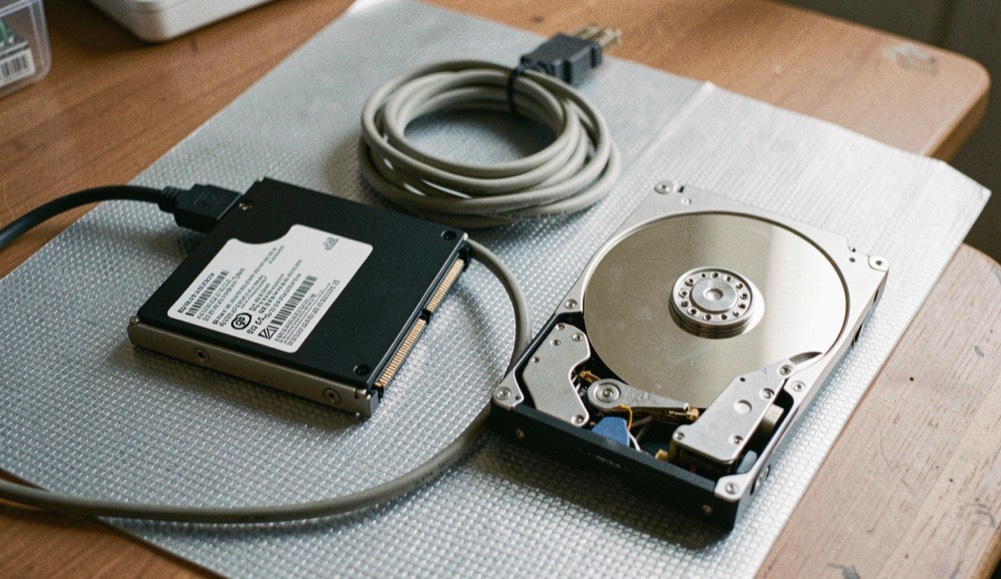
Building a Small Site That Works for Every Visitor
A small organization builds a site by starting from the one page that has to work for every visitor, the home page, and by testing it against real constraints: slow connections, small screens, screen readers, and people who are not looking for it yet.