Section 01
Stability Testing and Burn-In
What a stress test proves, how long to run one, and how to read a failure instead of guessing at it. The load side of the desk.
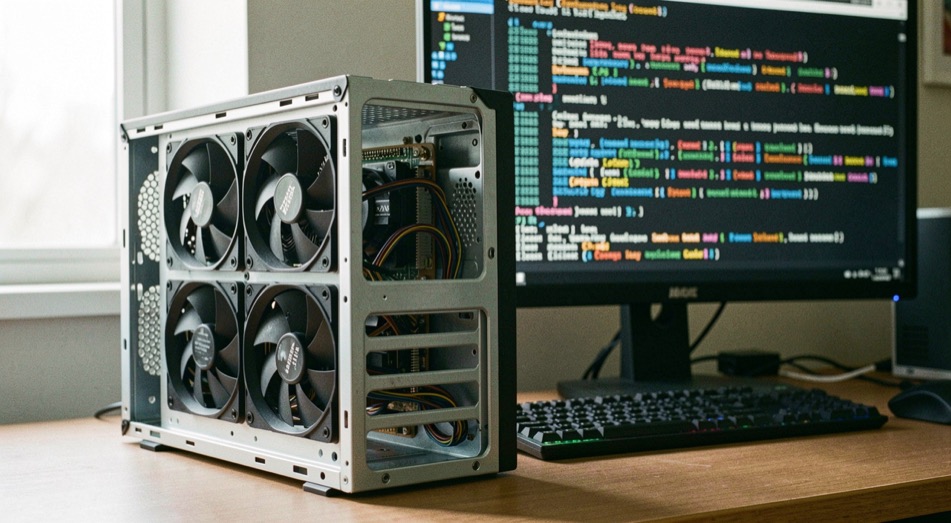
A stress test is a question put to a machine: under this particular load, for this long, does anything break? That is a narrower question than the one people think they are asking, which is usually whether the computer is stable. No test answers that one. What a test can tell you is that a specific subsystem survived a specific pattern of work for a specific duration, and that is genuinely useful as long as nobody rounds it up into a certificate.
The three pages in this section take that apart. What a stress test proves separates the claim a tool makes about itself from the claim readers make on its behalf. How long to run a burn-in deals with duration, which is the one variable everybody argues about and almost nobody writes down. Reading an instability is about the moment after a failure, when the useful work starts.
Why the subsystem matters more than the tool
Two tools with very similar names can load completely different parts of a machine. One keeps the arithmetic units of the processor busy while touching almost no memory. Another walks a large working set and spends most of its time waiting on the memory controller. A third saturates the storage queue and barely warms the processor at all. Presented as a list of names, they look interchangeable. Presented as a map of which part of the machine each one actually exercises, they stop looking interchangeable immediately, and the reason a given test passed while the machine still crashes becomes obvious.
That map is the test matrix, and it is the reference this whole section is built to support. Every row on it names the subsystem, the kind of load, what a failure there usually means, and the document that claim was read in.
Heat is a variable, not a side effect
The other reason a test result travels badly is that the test changed the conditions while it ran. A long load raises temperatures, temperatures change clock behaviour on modern parts, and a machine that failed after forty minutes may have failed because of what the first thirty nine minutes did to it. A result recorded without the thermal picture beside it is half a result. That is why cooling has a page of its own in thermal headroom rather than being treated as an accessory.
What this section will not do
There are no scores here, no pass times to copy, and no settings. A duration that worked for one machine is not a threshold, and a voltage that worked for one part is not advice. Where practice has settled on a habit, the page says it is a habit and says so in its own column, exactly as the glossary flags the words that mean two different things depending on who is using them.
The other sections of the desk: Diagnostics, Live Systems, Overclocking and The Log. Every one of them comes back to the test matrix.
In this section
4 pages in this section, newest first.
-

How Long Should a Burn-In Run?
There is no documented number of hours that certifies a machine. There are reasons to run longer, and a point where the extra hours stop paying.
-
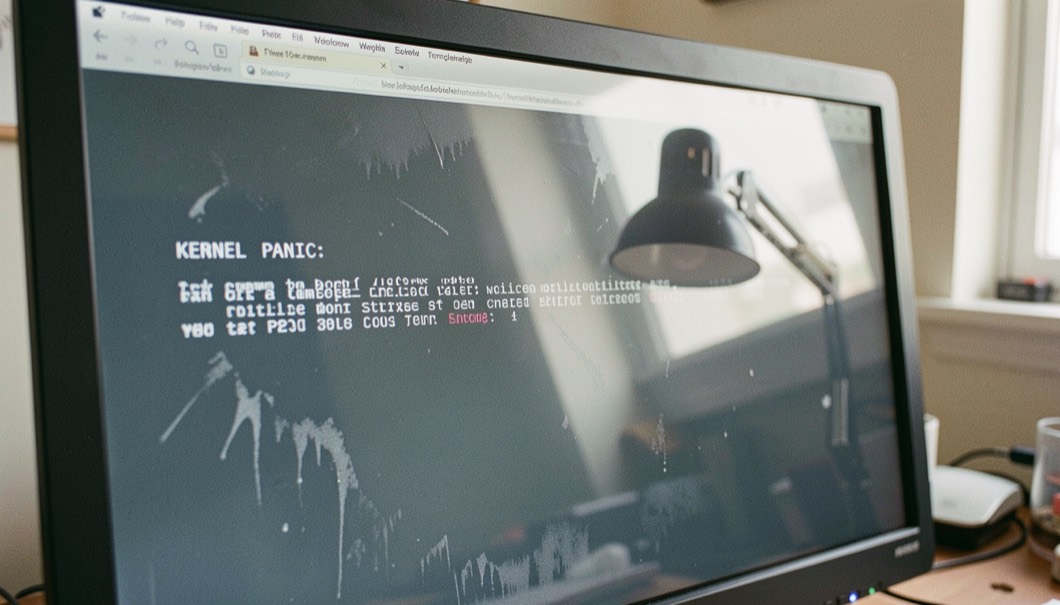
Reading an Instability Instead of Guessing
The useful work starts after something breaks. What broke, under which load, at what temperature, and what changed just before it.
-
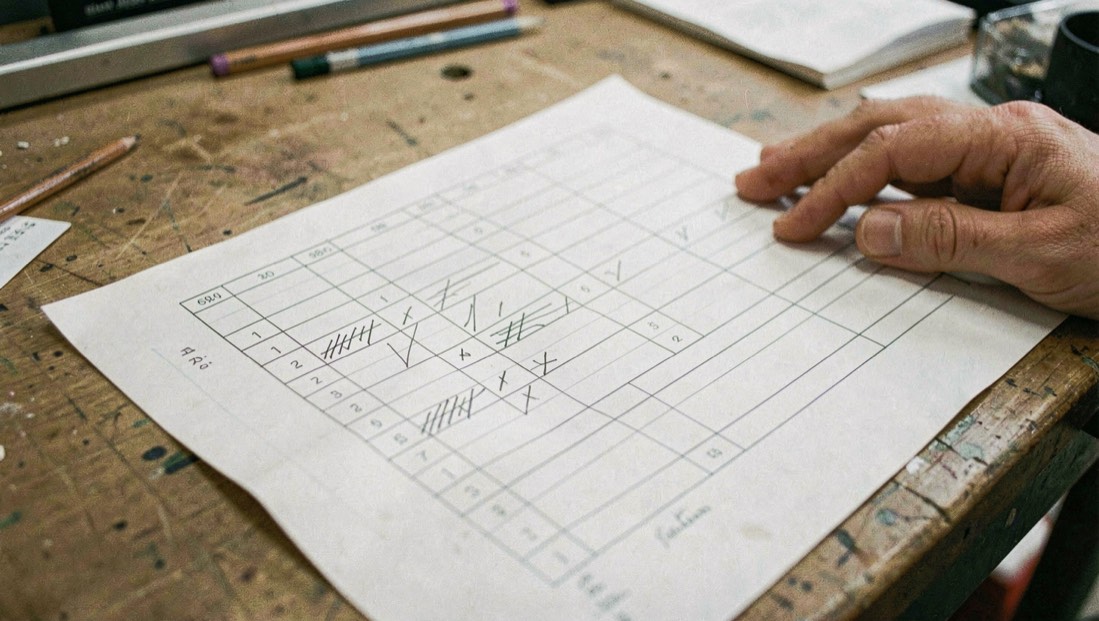
The Test Matrix
Tools are not interchangeable because their names sound alike. This grid sorts them by the part of the machine they actually load.
-
What a Stress Test Actually Proves
A passing run is a sentence with five qualifiers in it. Most of the trouble in stability testing comes from dropping four of them.